‌‌‌‌

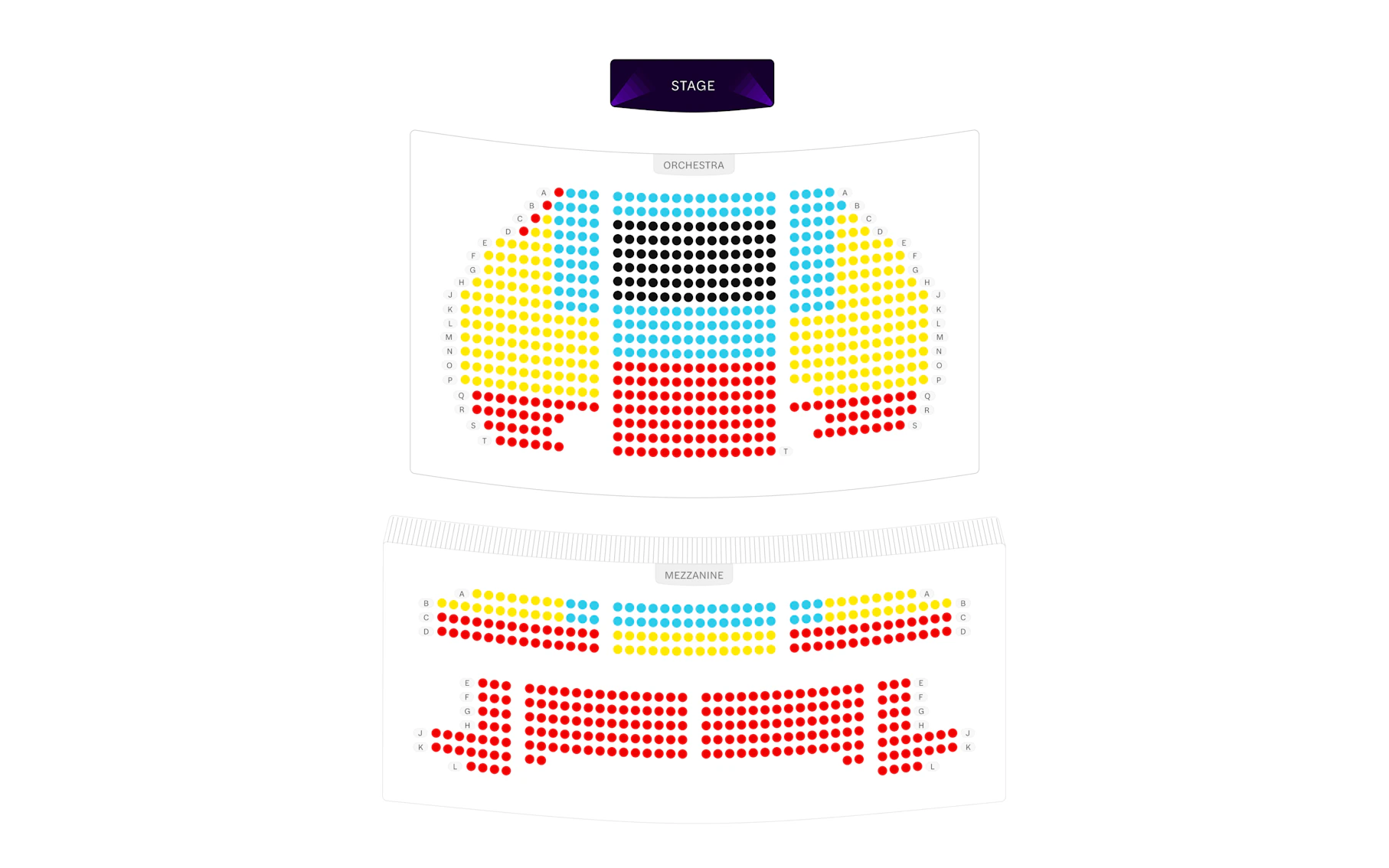
The Eugene O’Neill Theatre has hosted some of Broadway’s most celebrated productions, including Yentl, Spring Awakening, and The Full Monty. Its intimate atmosphere and Art Deco charm make it one of New York’s most beloved venues for comedy and musical theater alike. Located on 230 West 49th Street, it’s steps away from the buzz of Times Square, an easy walk from nearby subways and dozens of restaurants perfect for a pre-show bite. The Eugene O'Neill Theatre seating chart will help you find the best seats in the theater.

Vertical Product Card Shimmer

About Eugene O'Neill Theatre

  • The Eugene O'Neill Theatre Orchestra, the largest seating area, offers 571 seats divided into Left, Center, and Right Orchestra sections. Six elevated Boxes on each side accommodate 32 patrons.
  • The Mezzanine, with 366 seats, is smaller, divided into Left, Center, and Right Mezzanine sections. The best views are in the front rows of the Center Orchestra, particularly in rows A-D.
  • Legroom is better on aisle seats, but views may be restricted on the far sides and back corners of the Orchestra, with lower prices in these areas.
  • The Orchestra is wheelchair accessible with four wheelchair spaces and six transfer seats, ensuring a step-free experience.
  • The Mezzanine, starting from row L of the Orchestra, has three main areas with varying sizes. The Center Mezzanine offers excellent views in rows A and B, but the far sides and back are more distant.
  • Legroom is best in aisle seats. The Mezzanine lacks wheelchair or transfer seats, making it unsuitable for those with limited mobility.
  • Prices in the Mezzanine are generally lower than the Orchestra, with premium areas towards the center.

​Eugene O'Neill Theatre seating chart >

seatmap

Opened in 1925 under the name Forrest Theatre as part of the Shubert Organization's Broadway portfolio, the Eugene O'Neill Theatre underwent a significant transformation in 1959 when it was renamed in honor of playwright Eugene O'Neill. Despite facing initial criticism from critics, the theater has evolved into a cherished venue for mid-size musicals and plays.

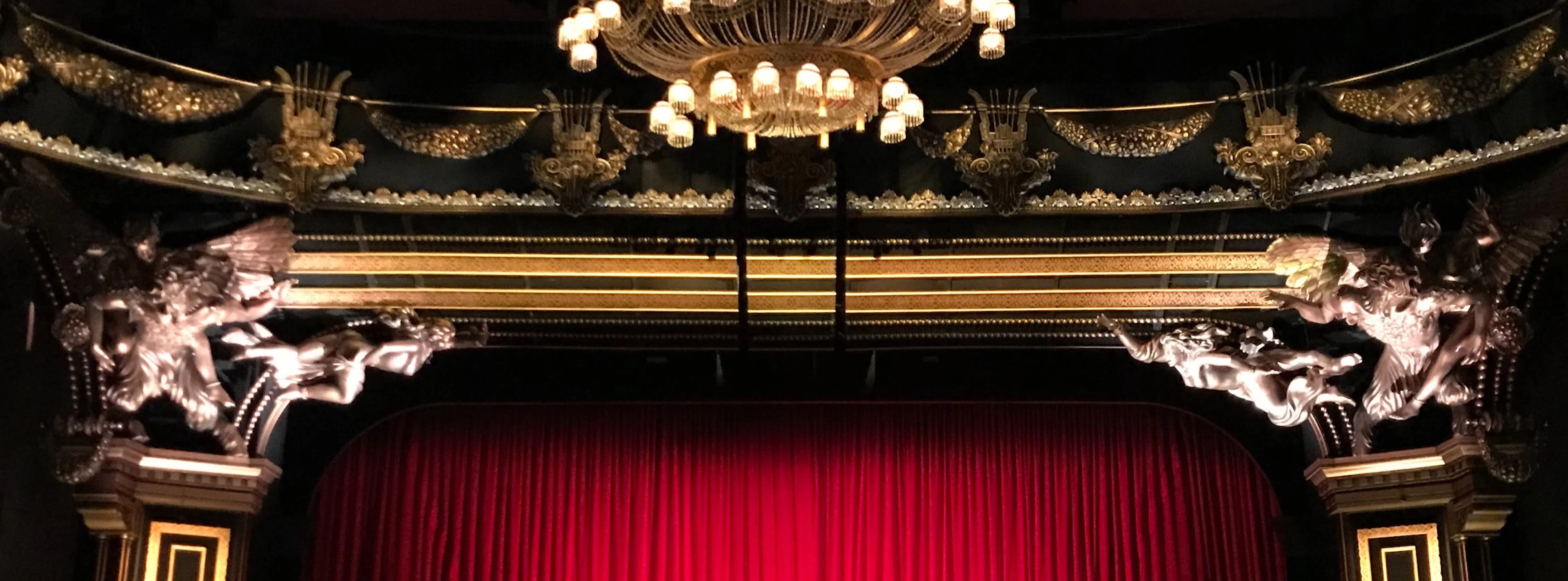
Herbert J. Krapp, a frequent collaborator with the Shubert Organization, designed the theater's Georgian architecture. While not as ornate as larger Broadway venues like the Gershwin or Majestic Theatre, the Eugene O'Neill Theatre boasts a bright and elegant interior, adorned with subtle patterns and embellishments around the stage and Boxes. Its medium size enhances its versatility, accommodating a diverse range of productions.

  • Crafted by architect Herbert J. Krapp, the Eugene O'Neill Theatre boasts a Georgian design. The facade of the theatre was initially crafted with brick and terracotta, mirroring the Forrest Hotel. Notably, the theater/hotel concept was unconventional at the time. The facade underwent multiple renovations, transitioning from stucco to bright colors in 1945, evoking a New Orleans venue.
  • In 1980, it received a final renovation in beige limestone. The auditorium, featuring an orchestra level, balcony, boxes, and a stage behind the proscenium arch, boasts plaster decorations in low relief. Originally accommodating 1,200 guests, it is now cited with varying seat counts, offering a versatile space for musicals or plays.
  • The theater's steel skeleton frame, an innovative choice during construction, contributes to its enduring structure. Over the years, the auditorium underwent color scheme changes and renovations in 1945 and 1994.
  • The seating areas include a wheelchair-accessible orchestra level with a shallow promenade, while the balcony level can only be accessed by steps. The balcony's detailed design incorporates wrought iron railings, Adam-style pilasters, and classical motifs.
  • Elliptically-arched wall sections on either side of the proscenium house boxes with intricate detailing reminiscent of Spanish architecture. The auditorium's coved ceiling features Adam-style bands, medallions depicting classical figures, and chandeliers.
  • Other design features encompass a five-centered proscenium arch with foliate and fruit decorations, a fireproof curtain with asbestos layers, and an electrically-powered system for moving set objects. The entire auditorium, with curved walls and a coved ceiling, exudes an aesthetic of classical motifs and Adam-style embellishments.
  • The Hostage (1960)
  • The Good Doctor (1973)
  • Annie (1981)
  • Tom Waits in Concert on Broadway (1987)
  • Penn & Teller: The Refrigerator Tour (1991)
  • A Christmas Carol (1991)
  • Grease (1994)
  • Death of a Salesman (1999)
  • The Full Monty (2000)
  • Sweeney Todd (2005)
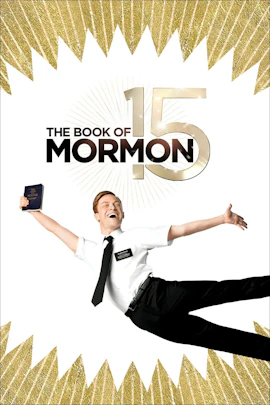
  • The Book of Mormon (2011)

Know before you go

  • Address: 230 West 49th Street, New York, NY 10019, United States
  • Bus: Bus lines M50, M7, M20 and M104
  • Subway: 50th Street on the A, C and E lines
  • Recommended mode of transport: We recommend using the subway for an easy, cost-efficient, and delay-free way to reach the Eugene O'Neill Theatre.
  • Restroom: Restroom facilities for both women and men are located in the lower lounge. Access involves descending nineteen steps, followed by an ascent of two steps into the restroom area.
  • Accessible seating: Accessible seating for both genders is situated in the lower lounge, requiring a descent of nineteen steps and an ascent of two steps into the designated area.
  • Water fountain: Patrons can access water from the bar.
  • Assistive listening system: Beneficial for those with hearing impairments, an assistive listening system is typically provided at the theater upon arrival.
  • Orchestra: The Orchestra ensures a step-free experience for all patrons, and accessible seating is exclusively situated on this level. Row R offers approximately four wheelchair spaces per performance, with the option for up to three companion seats per booking. Additionally, six aisle transfer seats are distributed across rows F-R.
  • Mezzanine: Positioned one level above the Orchestra, the Mezzanine requires ascending 25 steps for access. Within the section, each row involves an additional two steps either up or down, facilitated by handrails for support. Notably, the Eugene O’Neill Theatre Mezzanine does not offer accessible seating, making it less suitable for patrons with limited mobility.
  • Arrive Early: We recommend arriving at least an hour before your show to avoid delays when entering.
  • Dress Code: There is no set dress code for the Eugene O'Neill Theatre. Patrons are encouraged to dress comfortably, though it is expected they are attired appropriately.
  • Food Policy: No outside food or drink is permitted inside the Eugene O'Neill Theatre.

Enhance your Broadway experience by exploring our curated selection of top-notch restaurants in close proximity to the Eugene O'Neill Theatre. Whether you seek a comprehensive guide to dining options in the Theatre District or a quick bite before or after the show, we've got you covered. Here are some of our preferred dining establishments around the Eugene O'Neill Theatre:

  • The Blue Dog Cookhouse and Bar: A laid-back, stylish American eatery renowned for its sandwiches, salads, breakfast classics, and creative cocktails.

​Directions to The Blue Dog Cookhouse and Bar.

  • Ruth’s Chris Steak House: An upscale steakhouse chain offering delectable, butter-topped beef in an elegant setting.

​Directions to Ruth's Chris Steak House.

  • Utsav: A spacious Indian eatery enticing theater-goers with fixed-priced pre-theater deals.

​Directions to Utsav.

  • Times Square Diner & Grill: Indulge in American diner fare and a full bar within a chic, modern atmosphere featuring loft-height ceilings.

​Directions to Times Square Diner & Grill.

  • Da Marino: Enjoy the festive ambiance of this downstairs restaurant, featuring an old-school setting and serving traditional Southern Italian cuisine.

​Directions to Da Marino.

‌
‌
‌
‌
‌

Frequently asked questions about Eugene O'Neill Theatre

The theatre has a seating capacity of 1,034, with 668 seats in the Orchestra and 366 in the Mezzanine.