- Ethel Barrymore Theatre can accommodate approximately 1,058 people.
- The seating is divided into 2 sections – Orchestra and Mezzanine.
- Rows A to C in the Mezzanine section provide fantastic views.
- The best seats are in the middle of the Orchestra section in rows D to H.
- Rows A to E of the Mezzanine section offer great views for a lower cost.
- The seats towards the far sides of the Mezzanine or Orchestra may have limited views of the stage.
- Orchestra typically offers immersive sound due to proximity. Mezzanine’s elevation gives clear acoustics and a comprehensive view of the stage.
- For a musical, sitting away from the stage is not much of a concern given there's a lot of singing and dancing with performers utilizing the entire stage. For a play or any show which relies heavily on dialogue and the actors' expressions, consider sitting closer to the stage.

Ethel Barrymore Theatre
The Ethel Barrymore Theatre first opened its doors in 1928 and was designed by architect Herbert J. Krapp. The theatre's design reflects the style of the era, characterized by its elegance and classic Art Deco features. With a seating capacity of over 1000, the Ethel Barrymore Theatre provides an intimate yet grand setting for audiences to experience live performances. Seating Capacity: 1,058 Ethel Barrymore Theatre Seating Plan will help you find the best seats in the theatre.

Ethel Barrymore Theatre is a 1928 live entertainment venue designed by Herbert J. Krapp in the Elizabethan, Mediterranean, and Adam style. This seating chart is designed to help you make the most of your experience and find the best seats.
Navigating the Ethel Barrymore Theatre seating chart
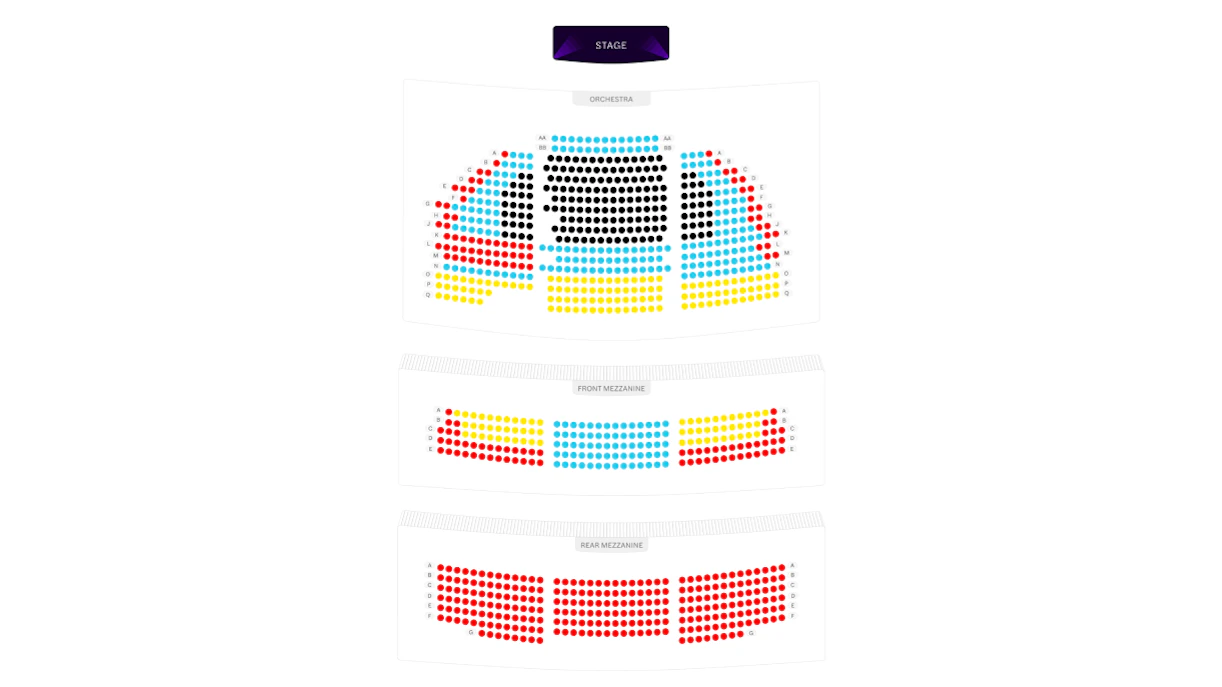
How to choose the best seats in the Ethel Barrymore Theatre seating chart?
Sections available in Ethel Barrymore Theatre
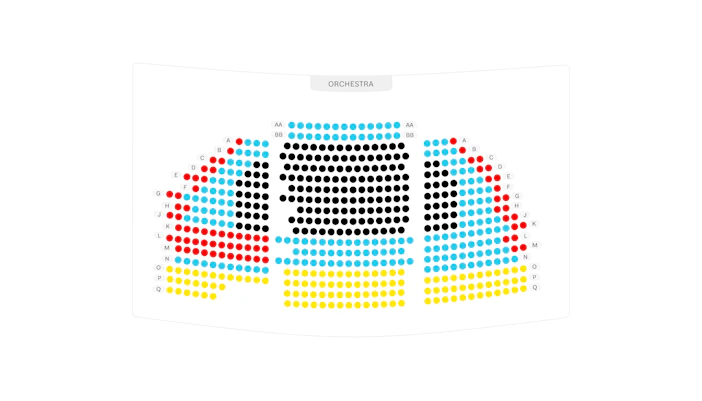
Orchestra
- 591 seats
Rows AA-Q
- The Orchestra is the largest section spread across Left, Right, and Center sections by aisles, plus six elevated Boxes seating 24 more people.
- Many seats offer good views due to the small auditorium size, though front rows may feel too close and seats under the Boxes in rows D and E may be slightly restricted. The Mezzanine overhang doesn’t obstruct views, and even the rear seats feel close to the stage.
- For the best views, choose rows F to O in the Center Orchestra, or the inside seats of the Left and Right Orchestra. The cheapest seats are at the back and sides of the Left and Right sections and the back rows of the Center Orchestra. The Orchestra is fully step-free, with wheelchair and transfer seats mainly in the back half.
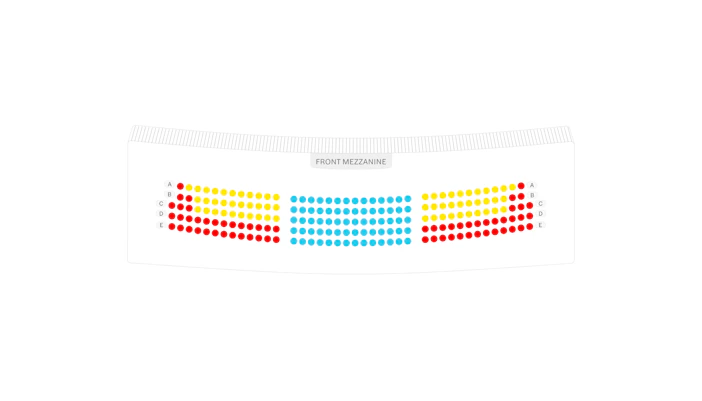
Front Mezzanine
- 196 seats
- Rows A-E
- The Front Mezzanine is the smallest section of the Barrymore Theatre, with about 196 seats across Left, Right, and Center sections, accessible via stepped aisles with the entrance behind row E.
- Views are excellent due to the theatre’s small size, with every row feeling close to the stage and a good rake ensuring clear sightlines. There are many good value seats available.
- The best views are in the premium rows A and B of the Center Mezzanine. In the Left and Right Mezzanine, seats near the outer aisles are more angled, but still offer a good view of the performance.
- The cheapest seats are at the back and sides, while premium seats are in the front rows. The Front Mezzanine is up three flights of stairs (30 steps) and has one transfer seat for patrons with limited mobility.
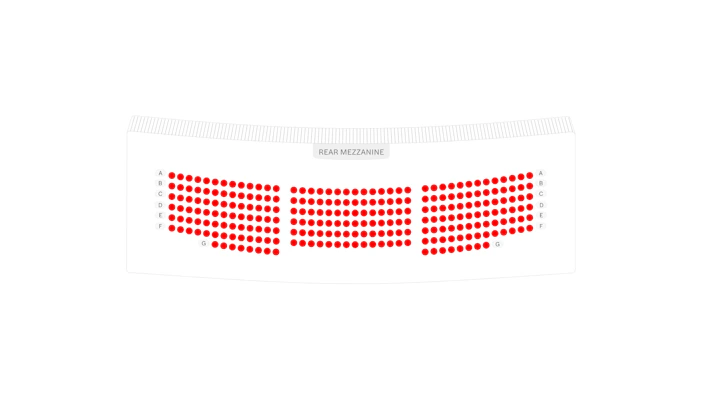
Rear Mezzanine
- 256 seats
- Rows A-G
- The Rear Mezzanine is spread across Left, Right, and Center sections, divided by aisles, offering the cheapest prices in the Barrymore Theatre.
- Thanks to a decent rake, even the back rows provide a good view of the stage, making this section ideal for budget-conscious theatregoers. Slight restrictions apply to double-digit seats on the far sides, which offer more angled views.
- The best views are in rows A and B of the Center Rear Mezzanine, offering detailed, sweeping perspectives at a slightly higher price.
- Legroom is limited, so aisle seats are preferable for extra space. This section is up three flights of stairs (30 steps) and may not be suitable for those with limited mobility, though there are two transfer seats at the back of the Right Rear Mezzanine.
Value for money seats
- Orchestra: Center Orchestra seats a few rows back from the premium options offer clear views at a lower price, though seats further back or to the sides might have restricted views.
- Mezzanine: Seats from the back of the Front Mezzanine to the beginning of the Rear Mezzanine provide good views at a more affordable price, despite the potential for slight view restrictions.
Best views of the stage
- Orchestra: Center Orchestra seats in rows D to K.
- Mezzanine: Center Mezzanine seats in rows A to D.
Accessible seating in Ethel Barrymore Theatre
- Orchestra: The Barrymore Theatre Orchestra is step-free from the entrance and lobby. It has the majority of the venue's accessible seating, with around five wheelchair spaces and up to three companion seats each. There are also seven transfer seats in rows A to Q, each with one companion seat available.
- Front Mezzanine: Located up three flights of stairs (30 steps) with an entrance behind row E, the Front Mezzanine has two steps down to each row, with handrails available. There is one transfer seat with a folding armrest in row E and one companion seat available. There are no wheelchair spaces, making it unsuitable for patrons with very limited mobility.
- Rear Mezzanine: Also up three flights of stairs (30 steps) with an entrance in front of row A, the Rear Mezzanine has two steps up to each row, with handrails available. It has three transfer seats at the sides of rows E and F, each with one companion seat. There are no wheelchair spaces, making it unsuitable for patrons with very limited mobility.
Frequently asked questions about Ethel Barrymore Theatre seating chart
The theater seats approximately 1,058 patrons and is divided into Orchestra and Mezzanine sections. Both levels are split into center and side seating blocks, offering mostly unobstructed views due to its intimate layout.
The best seats are in the Center Orchestra rows D to K and the Center Mezzanine rows A to D for optimal views of the stage.
The Orchestra section has wheelchair accessibility with around five wheelchair spaces and accompanying companion seats.
Seats in the back rows of the Center Orchestra and the front rows of the Rear Mezzanine offer good views at a lower price.
The Ethel Barrymore Theatre is located at 243 West 47th Street, New York, NY 10036, in the heart of Manhattan’s Theatre District.
The theater’s design allows for clear views from most seats. Center Orchestra and front Mezzanine offer the best overall experience, while extreme sides or rear rows may have slightly angled views.
The theater is named in honor of Ethel Barrymore, a legendary stage and screen actress and member of the famed Barrymore acting family.
